Record Trading Volume on the Nasdaq Closing Cross During the June 2026 Russell US Indexes Reconstitution
$334.027 billion crossed through the Nasdaq Closing Cross during the June 2026 Russell US Indexes reconstitution. Nasdaq said 4,594,880,616 shares executed in 1.630 seconds across Nasdaq-listed securities.
Gareth Hopkins·updated June 30, 2026
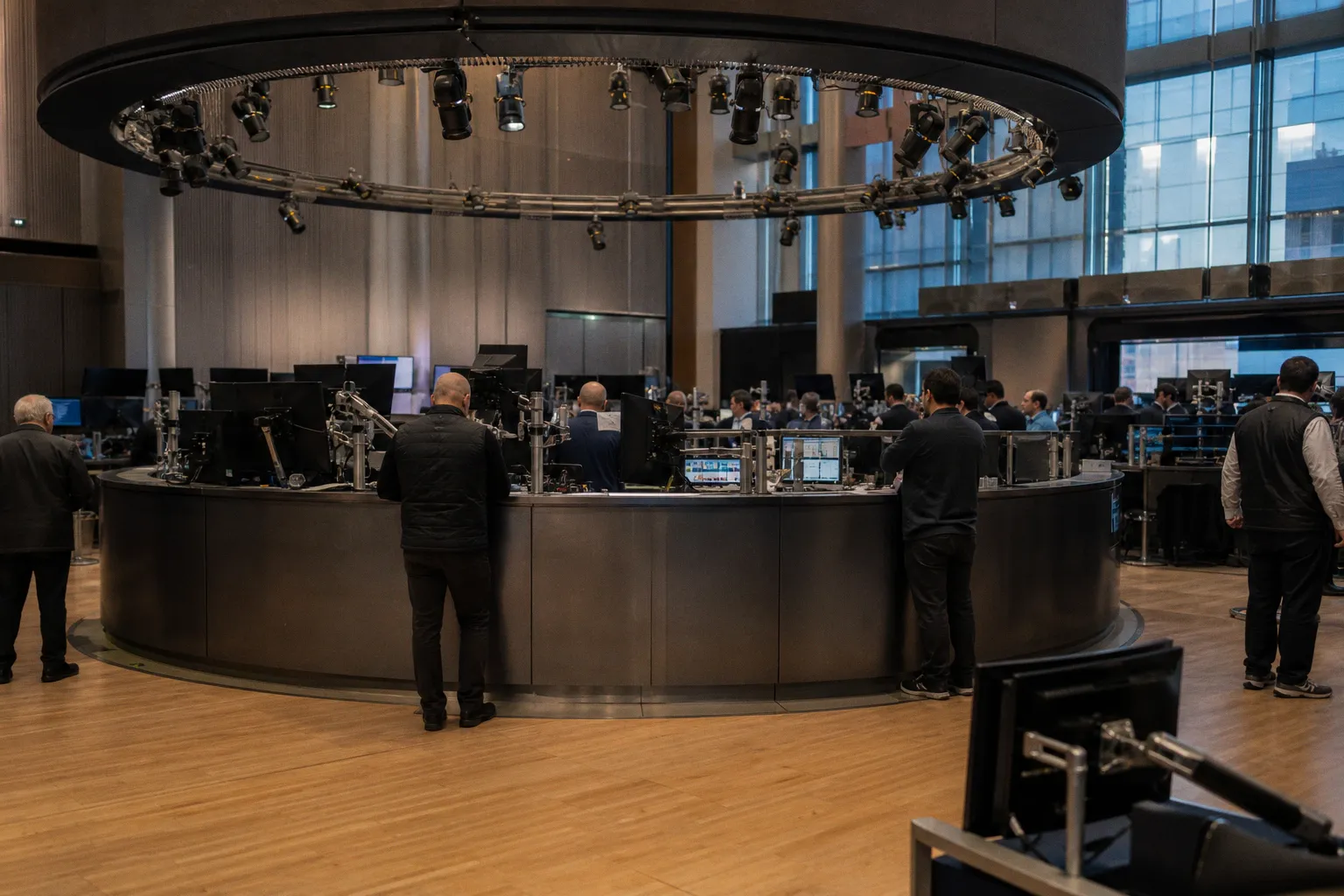
Closing auction absorbed a 3.26x notional step-up
Nasdaq reported the event as the largest liquidity event on the exchange for a Russell Reconstitution.
Key operating data:
- Notional executed: $334.027 billion.
- Shares executed: 4,594,880,616.
- Execution window: 1.630 seconds.
- Prior-year comparable notional: $102.455 billion.
- Prior-year comparable shares: 2,506,428,416.
- Prior-year execution window: 0.871 seconds.
The notional increase versus 2025 was about 226%. Share volume rose about 83%. Execution time rose about 87%. The notional-per-share proxy moved from roughly $40.9 in 2025 to roughly $72.7 in 2026, consistent with a higher price-weighted mix in the closing print rather than only a larger share count.
For market structure, this is the clean point. The auction handled a much larger dollar transfer without fragmenting the closing price formation. The Closing Cross aggregated buy and sell interest into a single closing price for each security. That price is the benchmark input for index funds, ETFs and performance measurement.
Russell flow remains a benchmark-scale liquidity test
The Russell US Indexes include the Russell 1000, Russell 2000 and Russell 3000. Nasdaq said the Closing Cross has been used to calculate the Russell Reconstitution for 23 years. The process updates index membership to reflect market capitalization, sector dominance and style orientation among publicly traded US companies.
FTSE Russell’s US index suite is tied to the Russell 3000E Index, which represents about 98% of the US equity market. Nasdaq also said approximately $10.6 trillion in assets are benchmarked to, or invested in products based on, Russell US Indexes.
That asset base explains the auction concentration. Reconstitution is not discretionary flow. It is rules-based portfolio alignment. When index membership and weights change, passive and benchmark-sensitive portfolios must adjust at the close, not across a narrative trading window.
The index reconstitution process was completed on June 26. Newly reconstituted index membership was set to take effect when markets opened on June 29. A separate snippet reported that WeShop landed in the Russell 3000 and Microcap indexes, but no further confirmed trading details were provided.
Practical read-through: closing basis, not headline volume
The market read-through is narrow. This data does not establish a bullish or bearish equity signal. It establishes a higher observed clearing capacity for one of the most concentrated US index events.
Desks should isolate three variables in post-event analysis:
- Close-to-VWAP slippage in Nasdaq-listed Russell additions and deletions.
- Auction imbalance behavior before the final print.
- Next-session mean reversion after the June 29 effective open.
The second-order issue is benchmark implementation cost. A larger auction can still produce low tracking error if the closing price is representative and accessible. Conversely, high notional alone does not prove low impact. The measurable test is deviation from the required benchmark close, not the absolute size of the cross.
Technical reference point: $334.027 billion is now the observed Nasdaq Closing Cross notional threshold for Russell reconstitution stress. Future events below that level imply mean reversion in closing demand. Future events above it indicate another upward break in benchmark-driven liquidity concentration.