Global Equities Rally as Cooling US Inflation Shifts Interest Rate Expectations
According to Modern Diplomacy, global stocks rose as U.S. inflation cooled and fears of a further rate increase eased.
Melody Carver·updated July 16, 2026
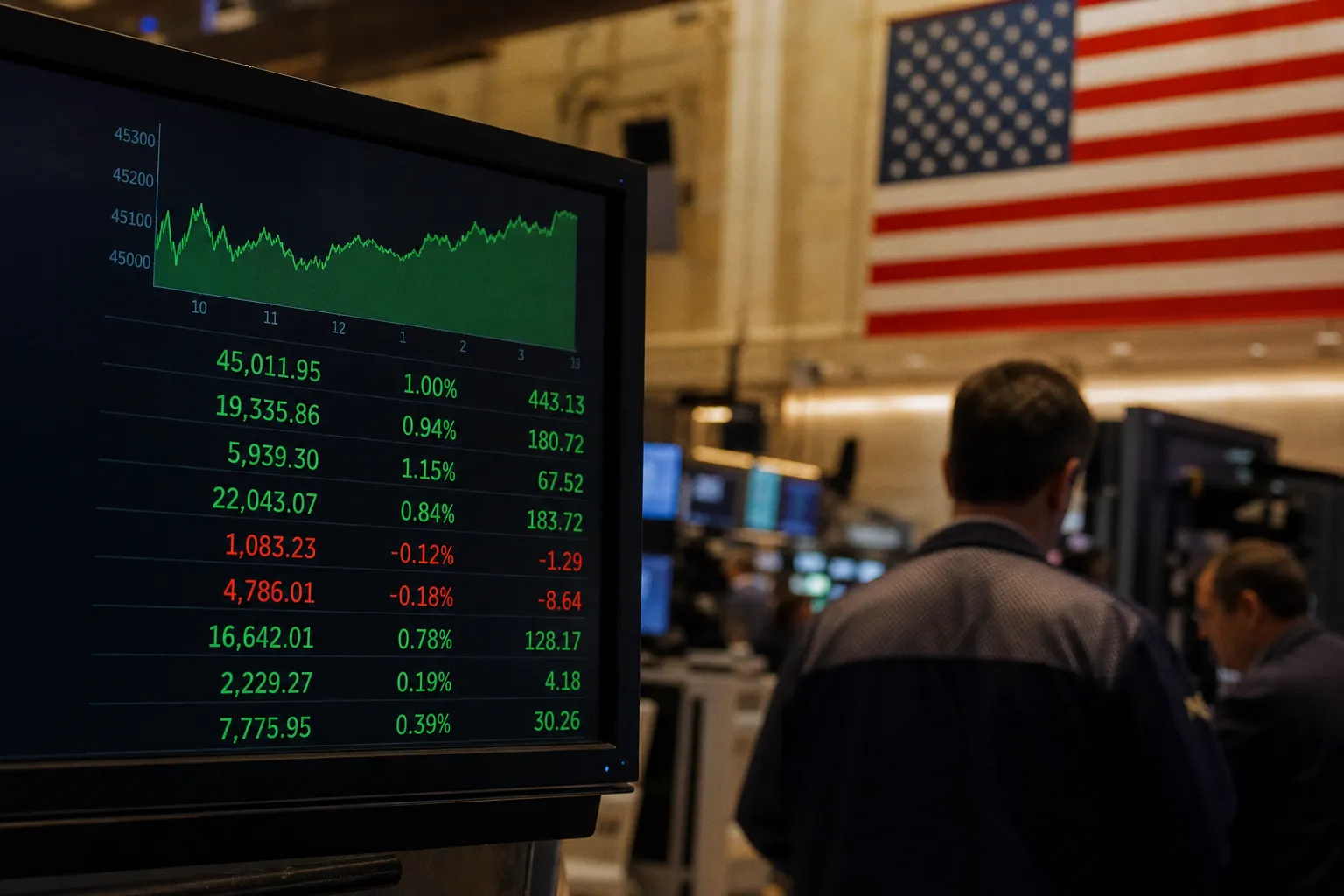
For macro investors, the immediate signal is not simply a stronger equity tape: it is a potential recalibration of the policy path, with the durability of that move dependent on whether subsequent inflation and activity data validate a more dovish market reading.
The policy transmission remains the central variable
A softer inflation impulse typically matters first through expected rates, then through sovereign yields, currencies and equity valuation. Consequently, the relevant market question is whether investors are reducing the probability of additional tightening only at the margin, or beginning to price a more persistent change in the Federal Reserve’s reaction function.
Our baseline is that equities can extend a relief move when the rate narrative improves, but the leadership of that move will matter more than the index level alone. Growth-sensitive and long-duration assets generally respond most directly to lower expected discount rates; defensives and cyclicals provide a more useful test of confidence in the underlying macro outlook.
That distinction is also relevant beyond listed equities. Risk appetite can spread into more speculative digital assets and related venues, including NFT marketplace trading, but such spillovers should not be treated as confirmation of a broad economic recovery.
Conflicting headlines keep the risk premium elevated
The broader news flow remains uneven. AsiaNews separately reported declining Asian markets amid fears of a new global crisis, while Binance’s headline pointed to rising tensions around Iran and continued pressure on global market sentiment. These reports underscore the structural limitation of an inflation-led rally: a lower expected policy rate does not eliminate geopolitical risk or concerns around global growth.
Given that mandate, portfolio managers should separate the rates impulse from the risk-premium impulse. A cooling inflation signal can support duration-sensitive assets, while geopolitical uncertainty may simultaneously sustain demand for liquidity, safe sovereign exposure and selective hedges. The two forces can coexist without producing a uniform move across regions or sectors.
What to monitor next
The practical focus is the sequence of incoming U.S. inflation releases, Federal Reserve communication and the response of global equity indexes to renewed risk headlines. If softer price data are followed by stable growth expectations, the easing of rate-hike fears could broaden into a more durable valuation tailwind.
If, instead, geopolitical developments intensify or evidence of weaker demand accumulates, the initial equity rebound may prove narrow and fragile. For now, we should treat the reported rise in global stocks as a policy-sensitive repricing, not as a definitive resolution of the macro risks still facing global capital markets.